

Bite-sized, but never oversimplified.

Medical micro-content is the format medicine has been waiting for. For doctors who have 90 seconds between patients. A phone in their pocket. And a science that finally fits both.
1M+
New medical publications every year, and the number keeps growing.
How will HCPs keep up and how will your content compete for the moments they actually have?
73 days
For medical knowledge to double, and the cycle is getting shorter.
If knowledge is doubling that fast, how long before the content you made is already out of date?
9 out of 10
Clinicians use smartphones daily and they are still being sent PDFs.
If they're on their phones, why is your most important science still in a PDF?
It's time to rethink the format.
At Qoolo, medical micro-content is more than just short content.
Medical micro-content is high-integrity medical information, packaged in small, purpose-built units that busy healthcare professionals can access anytime, anywhere on mobile.
Bite-sized, but never oversimplified.

Compliance-ready from the first screen.

Easy to scan in seconds, anywhere HCPs work.
There are different types of micro-content.
Get our white paper and learn more.
Healthcare professionals don't have hours to scroll.
They have minutes between patients.
Micro-content is:
Faster
300% quicker to create and launch content
Cheaper
50% less cost to create and launch content
Stickier
Up to 70% improved recall and retention
More engaging
4x higher interaction rates than long-form content
Micro-content is not a trend.
It's the only format that fits today's reality.
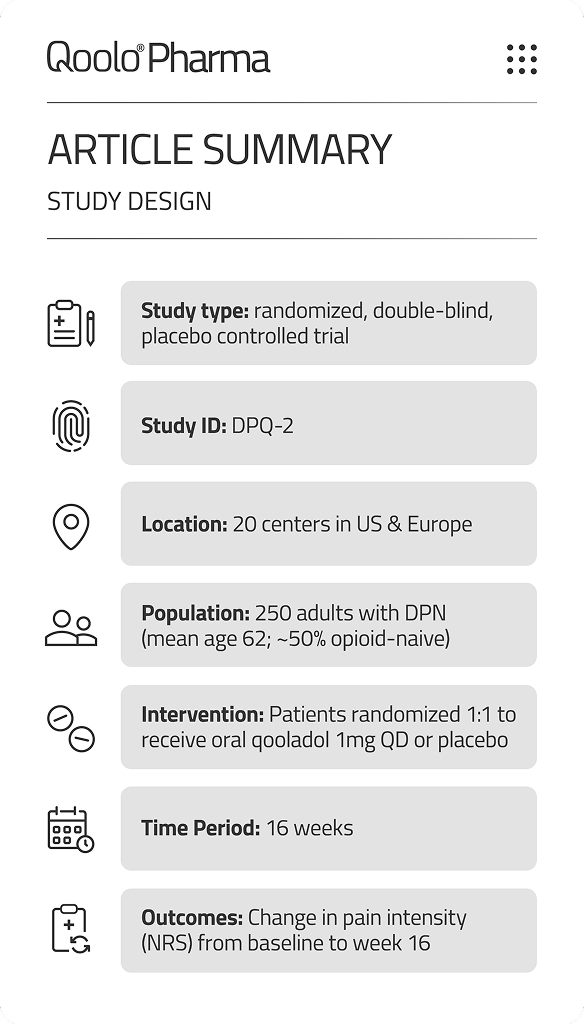
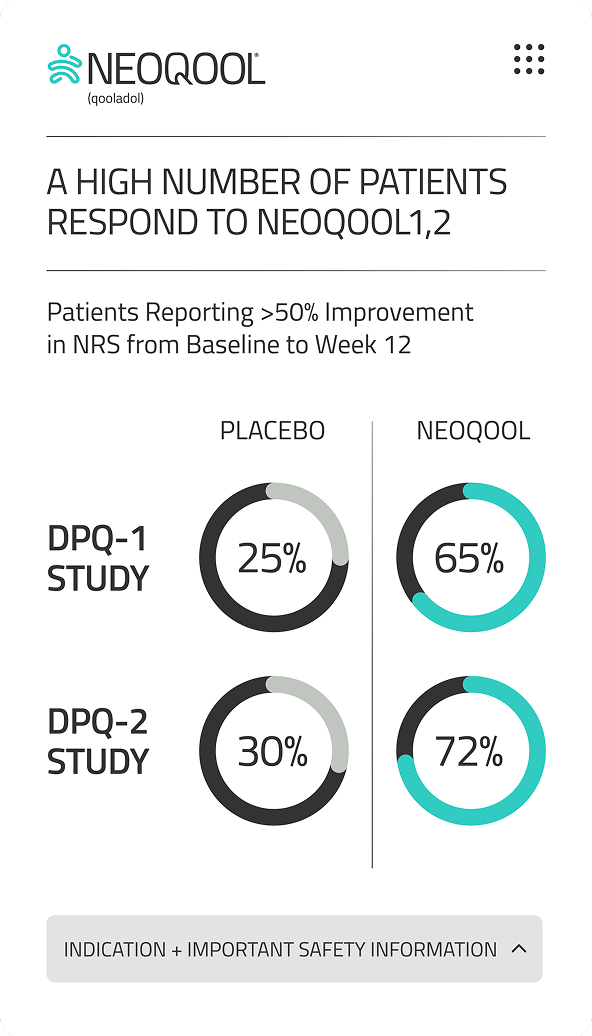
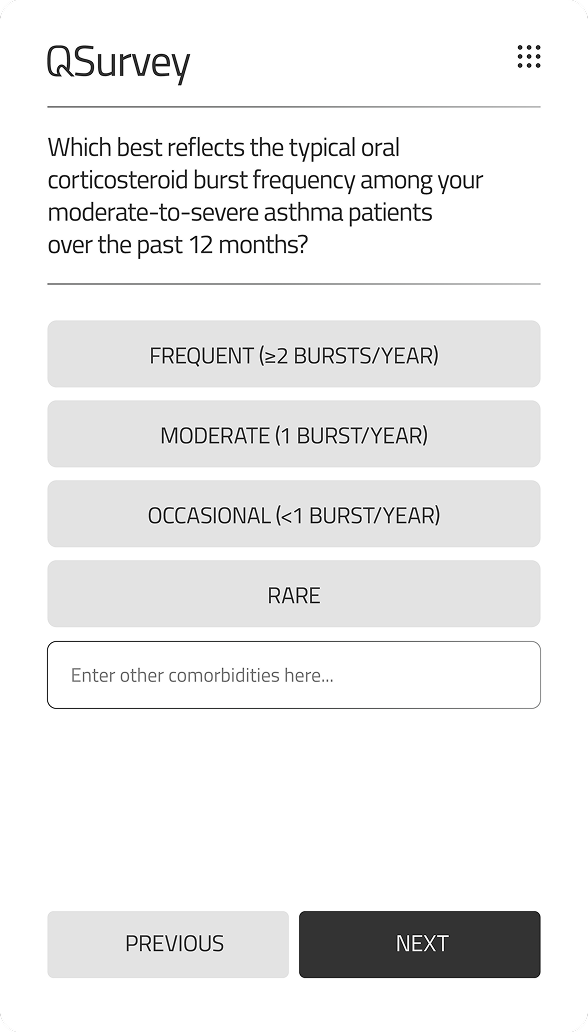
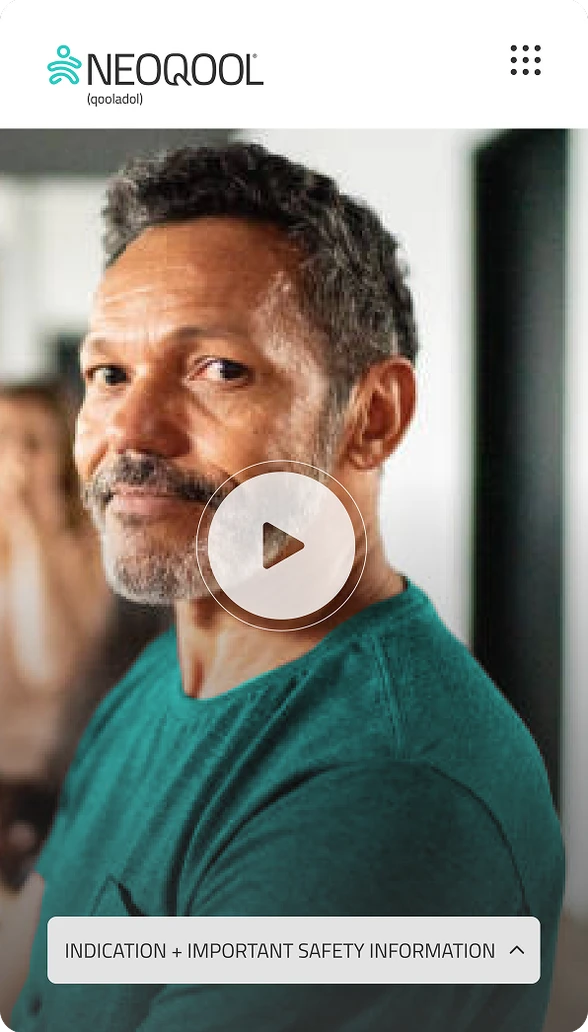
CONCISE, SCANNABLE SUMMARIES
INFOGRAPHICS
COMPLEX SCIENCE MADE CLEAR
INTERACTIVE UNITS
QUIZZES, CHECKLISTS, DECISION TREES
SHORT VIDEOS
EXPERT COMMENTARY, PROCEDURES, ANIMATIONS
"Neoqool" is a fictitious brand created by Qoolo for demonstration purposes only. See our Terms of Service for full details.
Built for the realities of regulated industries.
Trusted by life sciences teams who cannot afford risk.
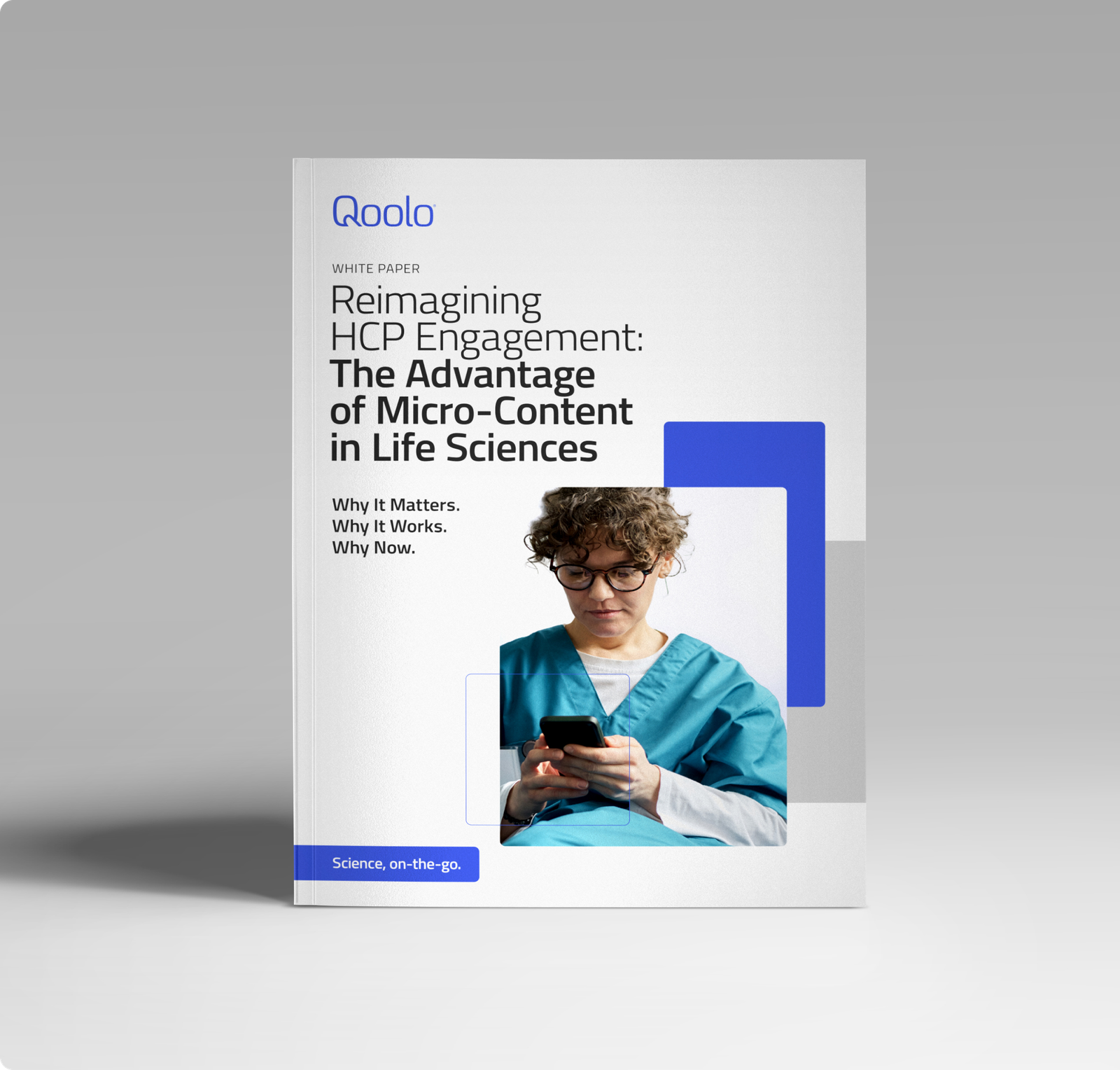
Inside, you will find:
Medical micro-content is high-integrity medical information packaged into small, purpose-built units that healthcare professionals can access anytime, anywhere, on mobile. Unlike simply shortening content, when done right, it preserves scientific accuracy, context, nuance, and compliance - while making complex scientific information easier to understand, remember, and apply. It's designed for the way today's healthcare professionals consume information: quickly, on the go, in the moments they have available.
Medical micro-content can take many forms, including publication summaries, guideline highlights, MOA explainers, congress updates, dosing information, interactive learning, quizzes, videos, self-guided detailing, and other mobile-first scientific experiences.
Qoolo introduced the term medical micro-content. While working to solve the format problem - fitting real science onto a mobile screen - it became clear the content had to center on the most important information we want HCPs to have time to engage with. It was clear that it had to be short-form content, bite-size content, snackable content. However, thinking about the actual moments doctors have to engage with content, and thinking about microlearning, is what landed us on micro-content. We coined "medical micro-content" as the final decision.
Medical micro-content isn't just powered by Qoolo - it's Qoolo's brainchild.
Long-form content is mismatched to the moment HCPs consume information. Over 1 million new medical publications are published each year, medical knowledge doubles roughly every 73 days, and clinicians juggle back-to-back patients, notes, and on-call shifts. PDFs, slide decks, and long-scroll websites were built for a desk and a quiet hour, not a hallway or 90 seconds between patients. The behavior is consistent: 9 out of 10 clinicians use smartphones daily, yet they're still being sent PDFs. Medical micro-content was designed for this reality.
We provide a deep template library covering the use cases life sciences teams run most often: publication summaries, guideline takeaways, dosing references, patient profiles, MOA explainers, training units, brand messaging, post-event recaps, and many more. Templates are optional, so teams can also start from a blank canvas and build free-form content for any use case, all mobile-first and on-brand through their Theme.
Effective medical micro-content is bite-sized, but never oversimplified. It's compliance-ready from the first screen, with references and claims built in rather than added later. It's easy to scan in seconds, wherever HCPs are working. Teams using this approach see real results: content that's 300% faster and 50% cheaper to create and launch, with up to 70% improved recall and retention, and 4x higher interaction rates than long-form content.
Mobile is the most available and most underutilized channel in life sciences engagement. HCPs always have a phone, but most strategy still leans on field tools, email, and CRM systems. Medical micro-content fills that gap with fast-loading, scannable units built for the moments between patients or on the go.
It works across the whole journey: before a visit to tease key data, during the visit to reinforce the discussion with mobile-ready visuals, and after the visit to reinforce recall with a recap, self-guided detail, or short survey. That's what connects the channels into one seamless experience, rather than adding another channel to manage.
Both. Micro-content works for medical, commercial, training, and field teams alike, spanning sales rep training, rep and HCP engagement, MSL training, MSL and HCP engagement, conferences and congresses, micro surveys and quizzes, agencies, and startups, so use cases range from clinical and scientific updates to brand messaging, training, and event follow-ups. See the Solutions section of the site for the specific options available to each team.
No. Medical micro-content doesn't replace iVAs, detail aids, scientific publications, or other long-form formats. Those formats still serve important purposes. Medical micro-content fills the gap those formats leave: quick-reference moments on mobile, post-meeting follow-up, in-the-moment review, and on-the-go access when a full document is unlikely to be opened.
Medical micro-content meets HCPs in the moments they actually have: between patients, in a hallway, on a phone. It loads fast, is easy to scan, and fits the way attention and memory actually work.
No - they're related, but they answer different questions. Micro-content is the format: short, high-integrity units of information. Microlearning is a discipline built on top of that format - using short units, paired with a clear learning objective and a reinforcement mechanism like a quiz or spaced repetition, specifically to teach a concept and improve retention. It's typically used for sales rep training, MSL training, onboarding, and continuing education.
In other words, microlearning is one thing you can do with micro-content - but micro-content also supports goals microlearning doesn't cover, like informing, engaging, updating, or activating an audience. Publication summaries, brand messaging, conference recaps, investor updates, and field-ready references are all micro-content, but none of them are microlearning.